How can design help a manufacturer become more sustainable and less dependent on a single market?
Founded in 1914, De Nooij Stainless had developed into a specialist metalworking company with extensive expertise in stainless steel. Much of its project-based production served large clients in the petrochemical industry, making the company sensitive to fluctuations in that market. De Nooij therefore wanted to explore new markets and develop its own products with a stronger focus on sustainability.
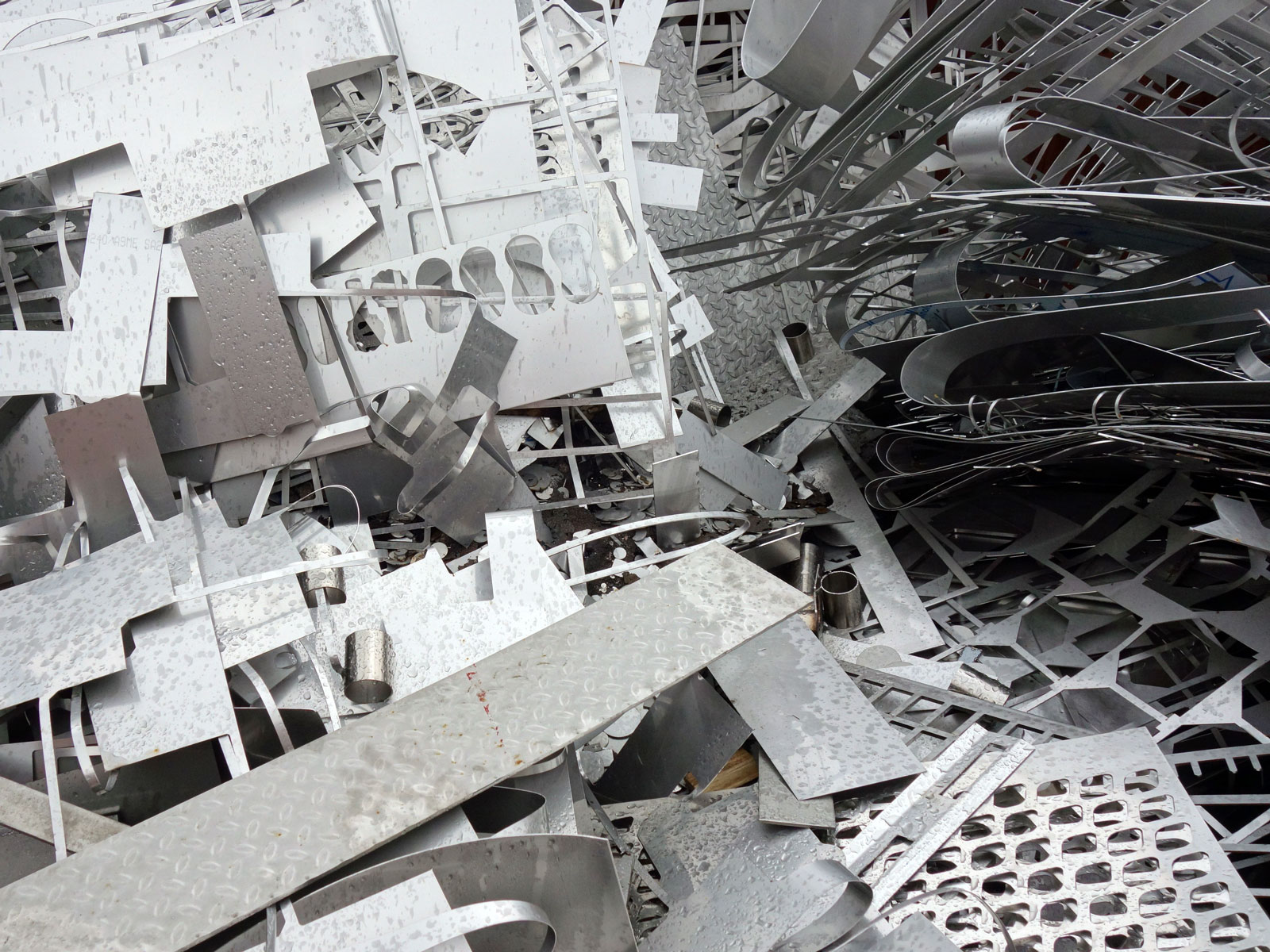
The idea was to use what was already available within the company more intelligently. Together, we looked at De Nooij’s manufacturing capabilities, machinery, available production capacity and material offcuts, and explored how these could become the starting point for a new product range.
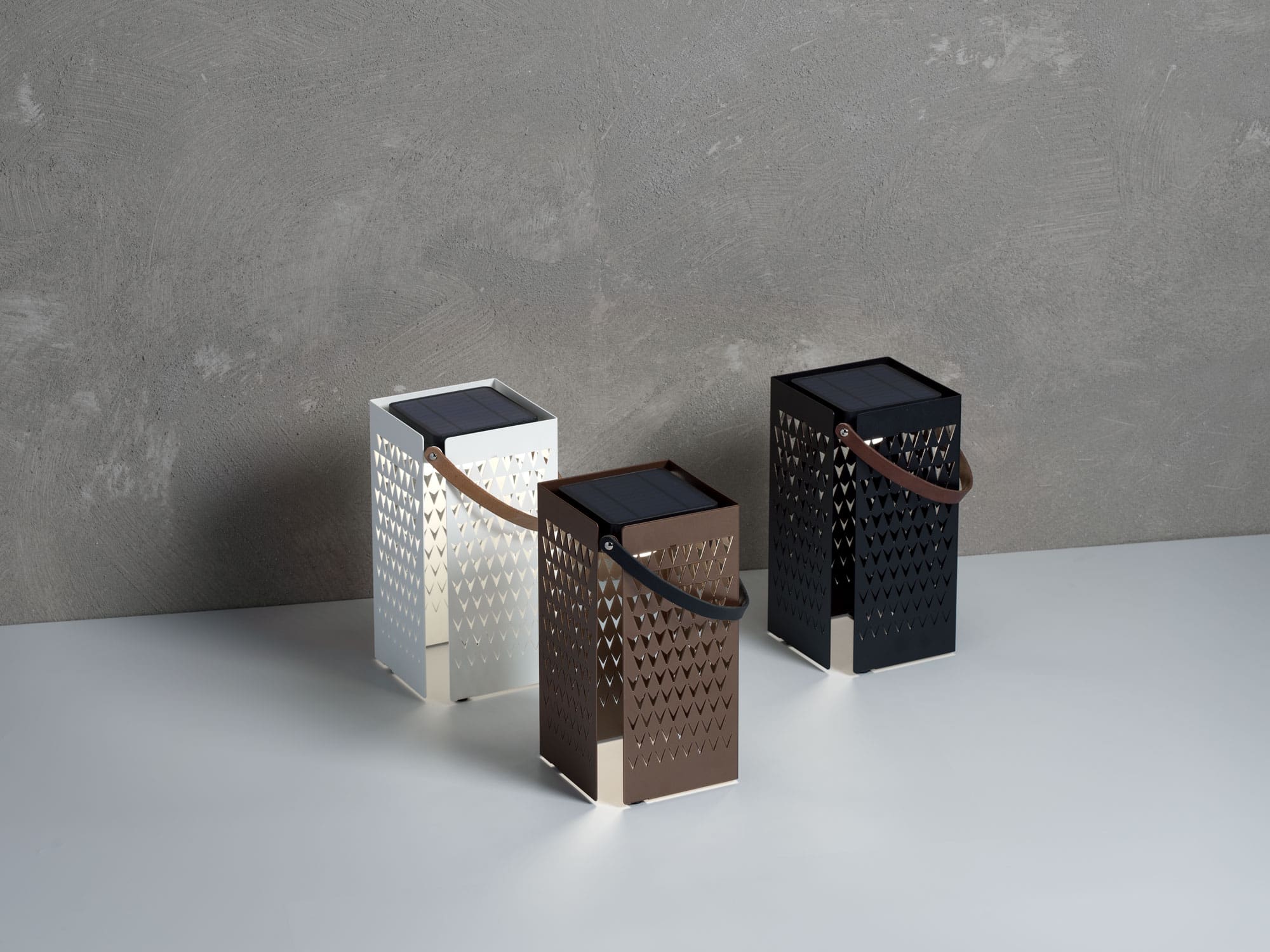
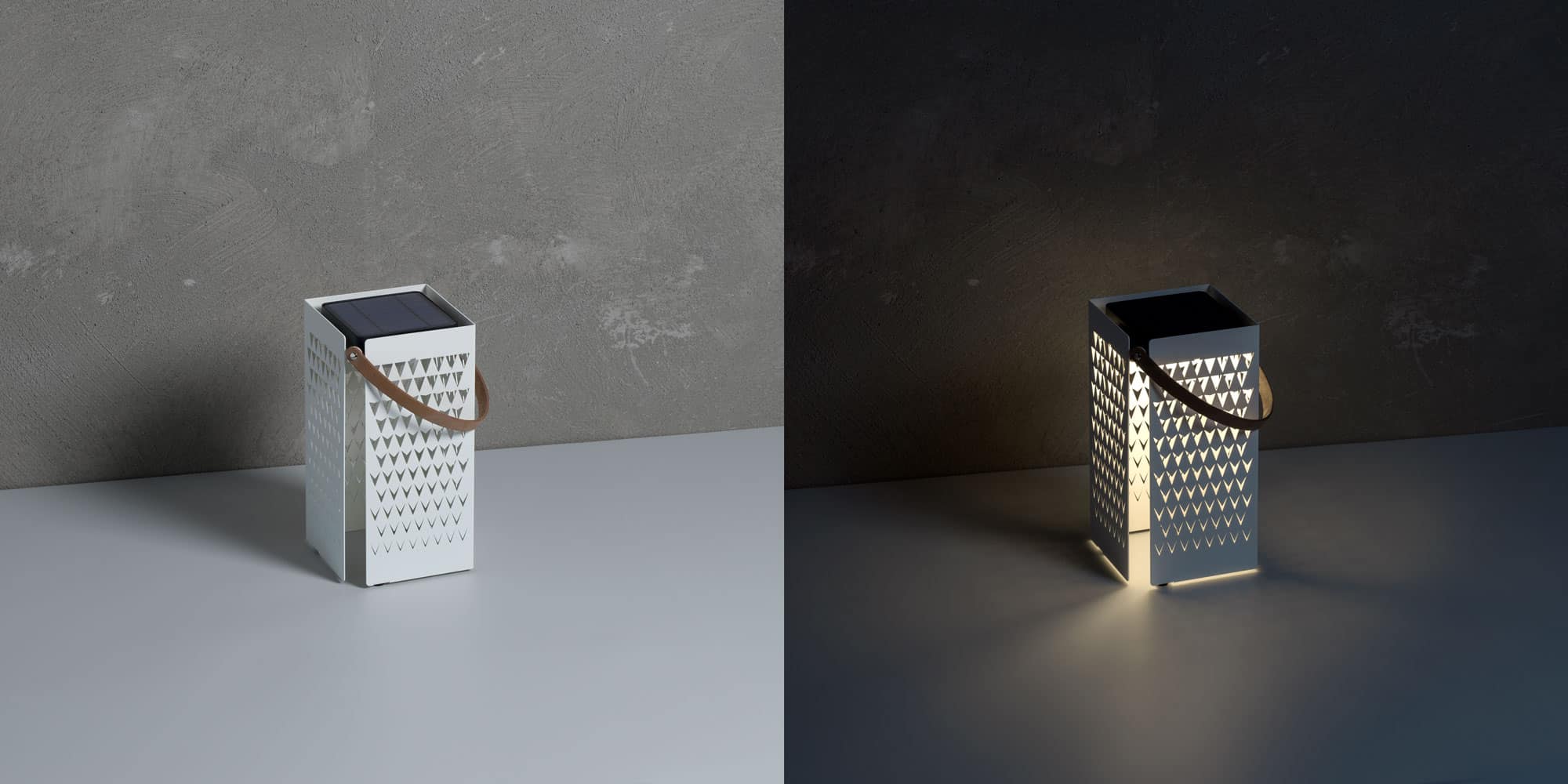
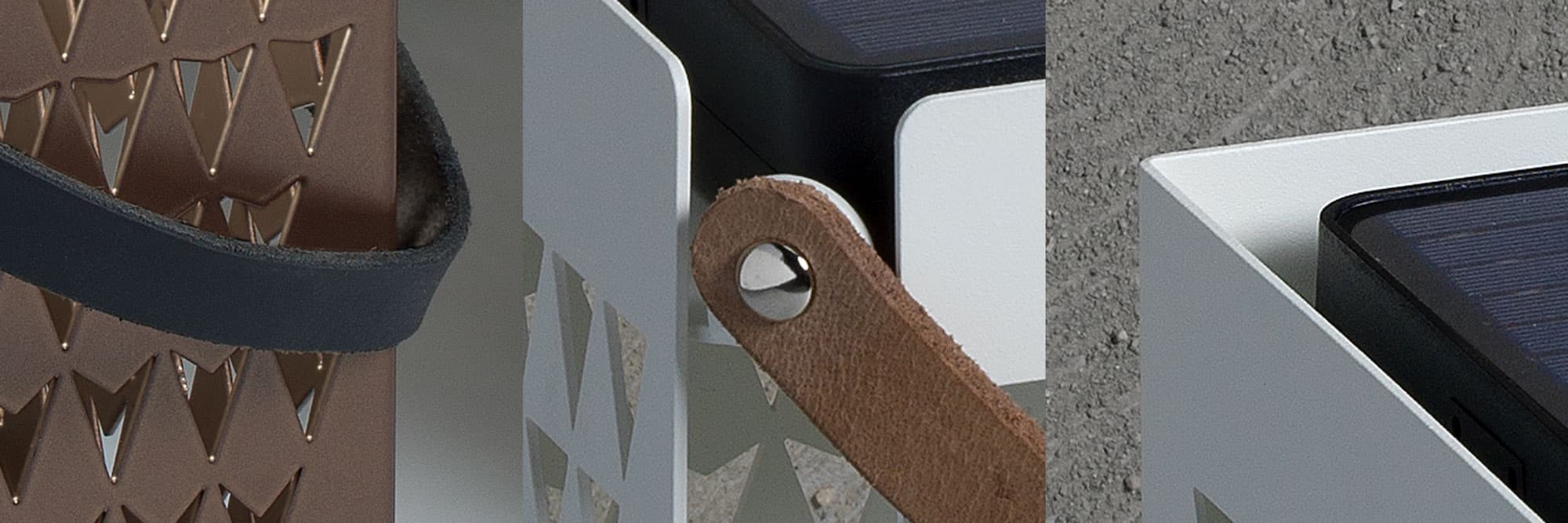
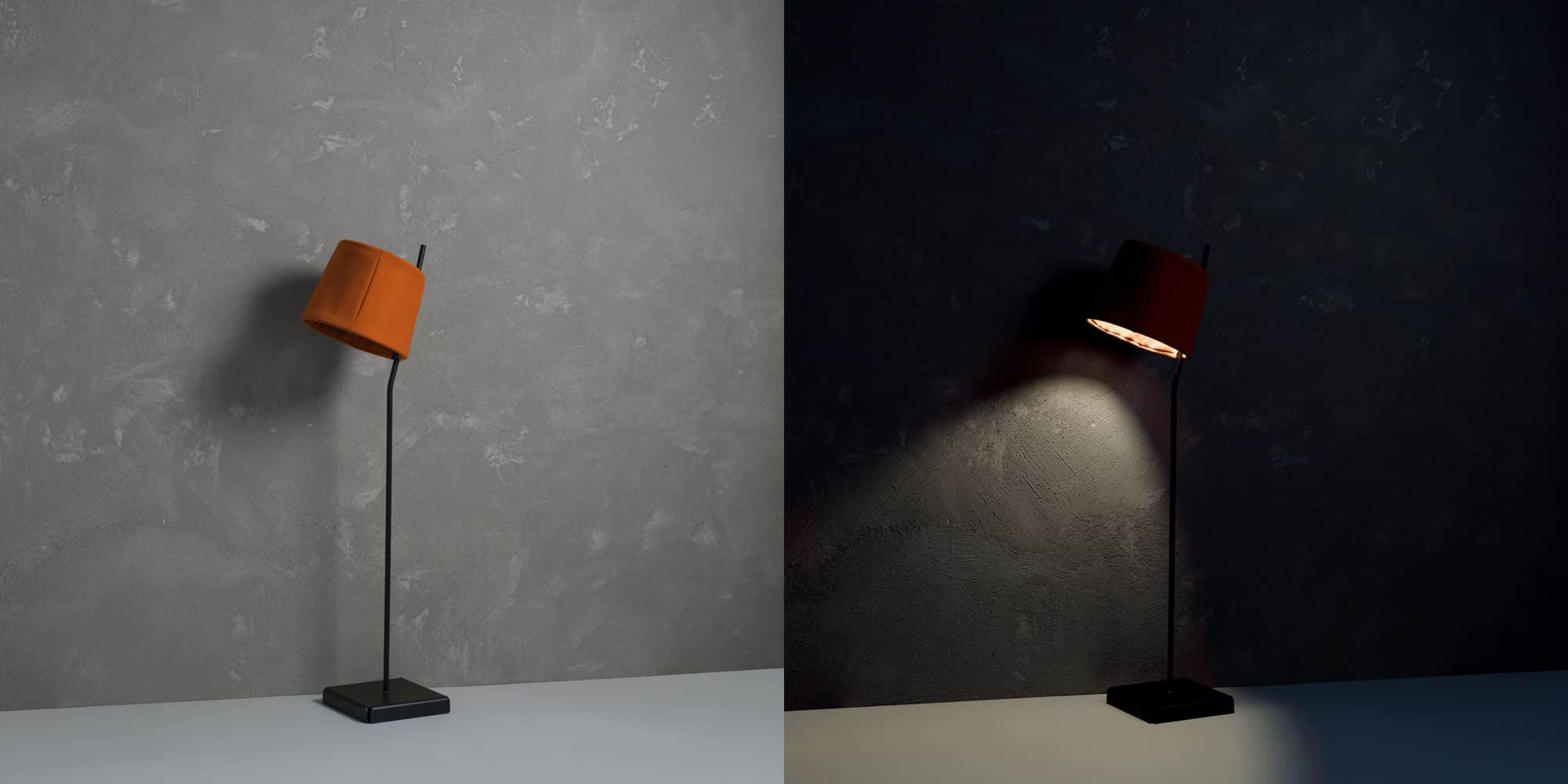
This resulted in the development of a premium collection of solar-powered outdoor lights. The products were designed for in-house production, using stainless steel offcuts wherever possible, and could be manufactured in small batches between larger customer projects. In this way, unused capacity and residual material became resources for a new business activity.
The collection consisted of a table lamp and several freestanding outdoor models. Each incorporated a solar-powered light unit and was designed to have a strong presence both during the day and after dark, while fitting naturally into a garden environment.
The systemic change was therefore broader than the design of a new lamp. By connecting material flows, existing manufacturing capabilities, renewable energy, spare production capacity and access to a new market, the project explored how De Nooij could become more resource-efficient, more sustainable and less dependent on fluctuations in its traditional business.
Interested in how this experience could support your product challenge?